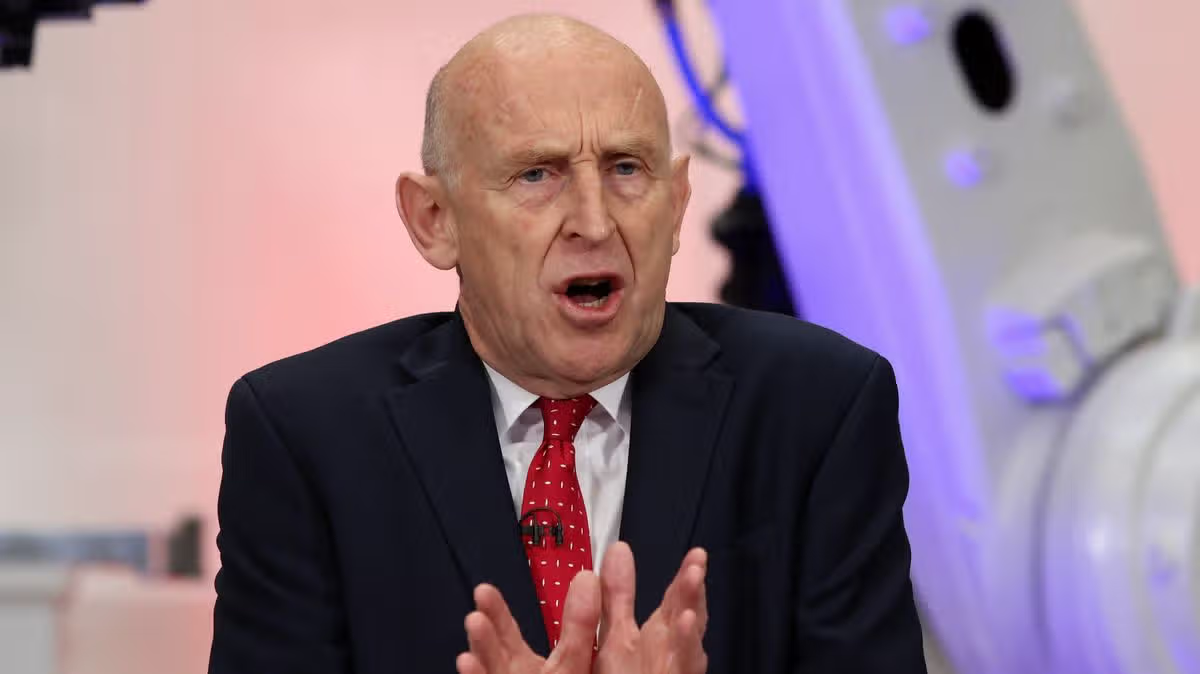
Chancellor John Healey is thought to be considering targeted energy support in his Budget next week, with reports suggesting the Warm Home Discount could be increased

Middle income households reportedly may end up being excluded from help at the Budget(Image: Getty/Natasha Lebedinskaya)
“Squeezed middle” households with average incomes owe an average of £2,725 in energy debt, experts have warned.
Free money advice service Money Wellness looked at households with incomes of between £2,300 to £3,300 a month, around the UK median.
Of those that are behind on their energy bills, the average debt has risen every year. The typical amount of money owed has increased from £2,420 in 2023 to £2,725 so far in 2026. This marks a rise of £305 compared to three years ago.
To see more of the stories you love from The Mirror and to find them easily in Google then make us your preferred source. Free and easy-to-do, just click on the link here to find more from The Mirror at the top of your feed.
One in five customers in this income band who receive no benefits at all (21%) are behind on their energy bills. Chancellor John Healey is thought to be considering targeted energy support in his Budget next week, with reports suggesting the Warm Home Discount could be increased by £100.
The Warm Home Discount is currently worth £150 and is awarded to households on certain means-tested benefits. Money Wellness says expanding this scheme only means households that do not claim benefits could be left without help just as bills are forecast to rise again in January.
The Ofgem price cap for the typical household that pays by direct debit is currently set at £1,723 a year – but energy analysts at Cornwall Insight predict this could rise to £1,999 in January.
The government introduced a VAT cut on electricity bills this month – but the Ofgem price cap still went up anyway due to higher wholesale costs from the war in the Middle East, wiping out any saving for households.
The Treasury does not comment on any Budget speculation ahead of the speech.
Sebrina McCullough, external relations director at Money Wellness, said: “These households are the squeezed middle. They’re considered too well off for help, but too stretched to pay, and they’re carrying an energy debt that’s now worth more than a month’s income.
“Many of them are working parents doing everything they can to keep up, and they’re watching their debt grow every winter. If Budget support is linked only to benefits, these households will face January’s price rise on their own.
“We’d urge the Chancellor to make sure any support reaches people based on need, including households who are already behind on their energy bills, rather than drawing a line at benefit receipt.”