John Healey admitted Britain cannot wish away the tough ‘global economic storms’ – the Mirror looks at some of the nasty details included in the Budget, the forecasts and the reactions

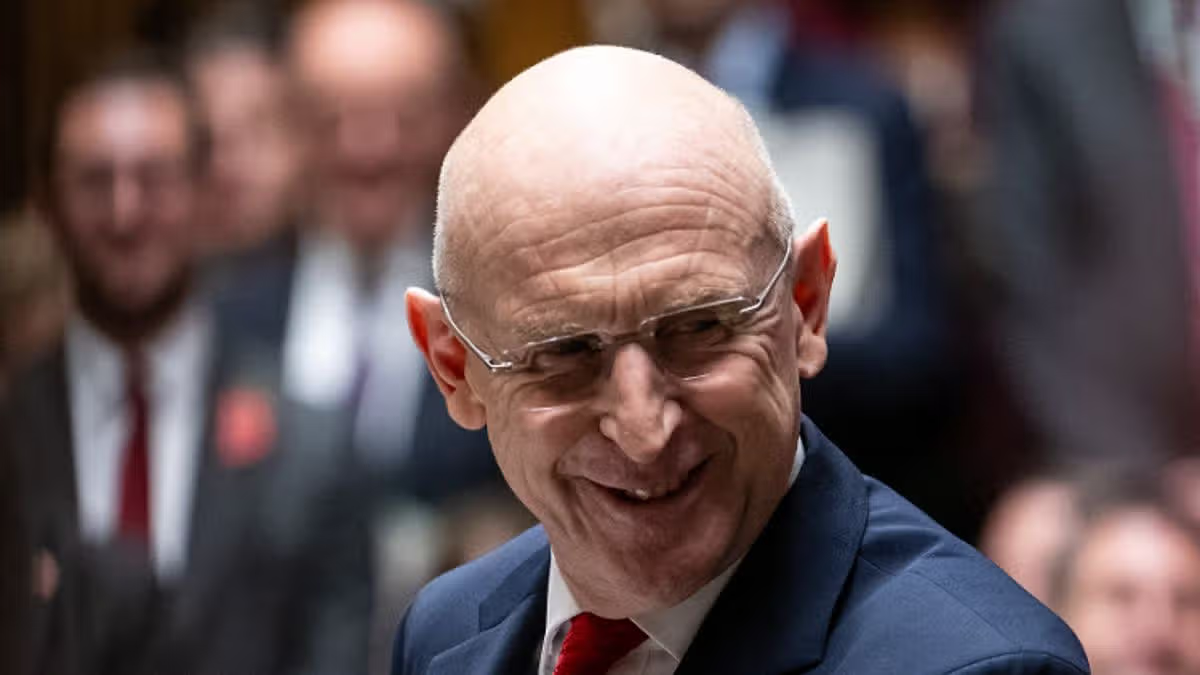
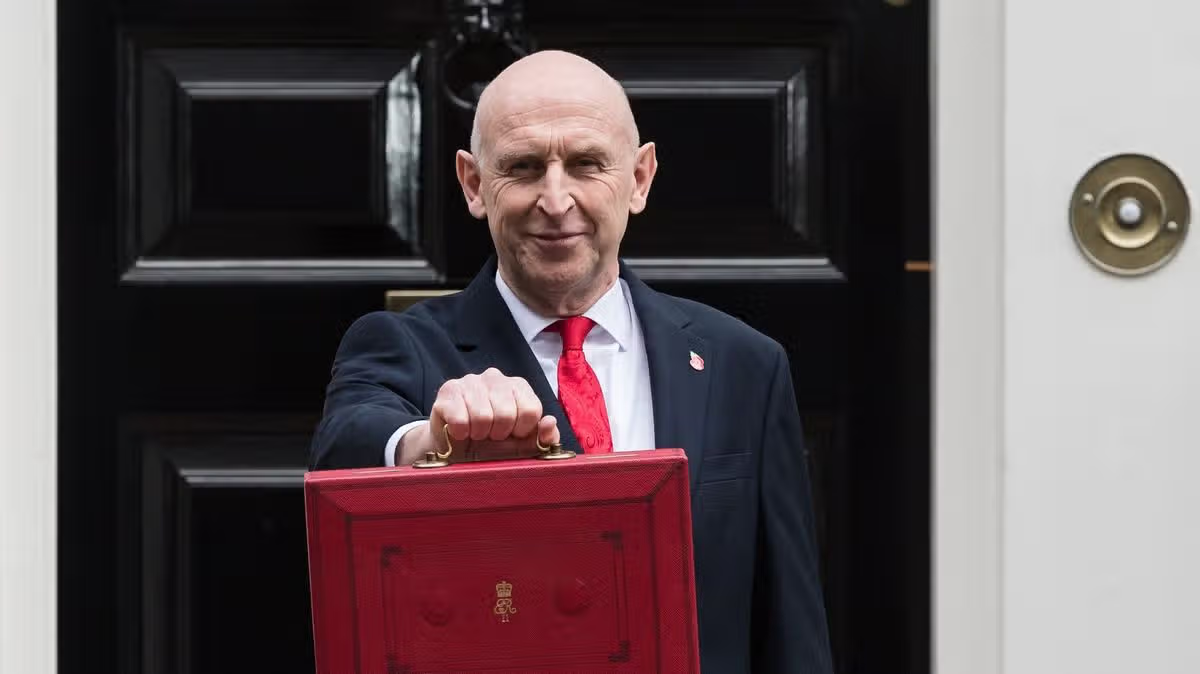
John Healey has promised British families he will ‘to steer us through the global economic storms’(Image: Wiktor Szymanowicz/Shutterstock)
John Healey has promised British families he will “to steer us through the global economic storms”.
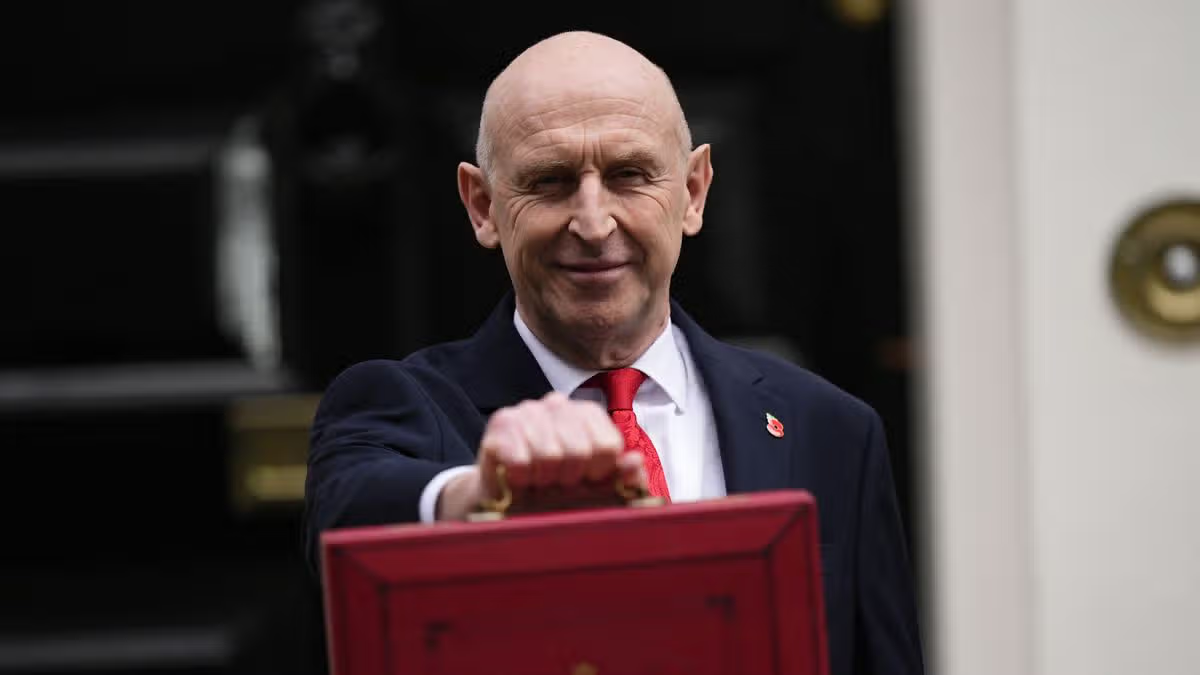
The Chancellor admitted the country cannot wish away the tough times it faces amid the financial impact of the wars in Ukraine and Iran. He sought to provide “breathing space” he promised for households and high street businesses.
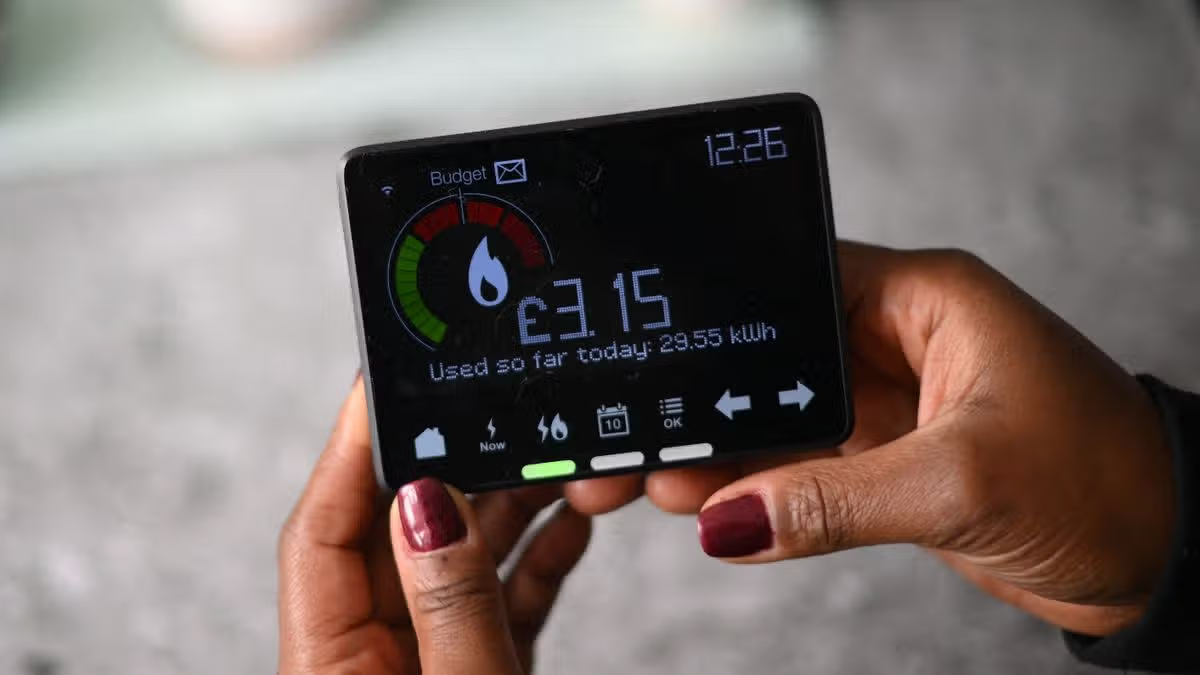
Among help for struggling Brits, he announced £100 payments for millions of Brits to help with energy bills, the abolition of standing charges on gas bills, and higher taxes on banks to help tackle the cost-of-living crisis.
But many experts and campaigners have been left underwhelmed by the lack of brave or transformational policies, with some criticising the Budget as a “hodgepodge” of small changes.
The Mirror looks at some of the nasty details included in the Budget, the forecasts and the reactions.
Stay up to date with everything announced in our Budget 2026 live coverage.

1. Households to be £450 worse off
Average annual household disposable incomes are projected to fall by £450 by 2029 after taking inflation forecasts into account, analysis shows.
The Joseph Rowntree Foundation warned that cost of living help – including energy support – in the Budget does not do enough to “address the hit to incomes from rising energy prices”.
The charity says that, if incomes were to grow in line with the average for the period from 1961 to the pandemic, households would have been on course to be around £5,000 better off in 2029 than they were in 2024. Chris Belfield, senior economist at JRF, said: “To unlock economic growth we need to see bolder interventions that give families and our economy the firm foundation of better living standards.”
2. Grim growth figures
The Budget watchdog’s 200-page document does not make for happy reading, describing the UK’s economic position as remaining “challenging”.
The OBR makes clear that the economic picture has got worse since its last projections in March, which were finalised before the start of the Iran war. It downgrades next year’s GDP growth figures from the spring forecast dramatically – from 1.6% to 1%.
Helen Miller, director of the respected think tank IFS, admitted Mr Healey’s statement is unlikely to improve figures. He added: “This Budget has a raft of fiddly measures but very little that will move the dial on growth.”
3. Inflation could go either way
The volatile world means the outlook for inflation is “highly uncertain”, with the OBR remarking how “energy prices have increased sharply since our last forecast”.
The watchdog admits inflation could go either way, with a one-in-five chance that CPI inflation next year will be above 4.5% and a similar probability that it will be below 2.5%.
It predicts inflation to return to the Bank of England’s 2% target by 2028 “assuming energy prices subsequently decline in line with market pricing”.
4. ‘No growth’ to earnings or income
In depressing reading, the OBR’s figures on earnings growth and disposable income show why households are still feeling worse off.
The watchdog says real household disposable income (RHDI) – a measure of how much spare disposable income people have got – has shown “virtually no growth” since the Covid crisis in 2009. And it predicted that by 2029, a whole decade on, it might have grown by a pitiful 1%.
“That is practically unheard of in the history of the UK,” said the OBR’s Professor David Miles. “It has been a dismal period in British economic history.” The reasons include a series of energy shocks that have hit households and businesses hard, along with the impact of frozen income tax thresholds.
On top of this, the OBR admits that inflation on wages and a loose labour market “means we expect no real earnings growth in 2027”. The watchdog says real wage growth then recovers to around 0.5% a year by 2030, if energy prices drop.
5. Higher borrowing
Government borrowing – which has to happen when more money is spent than is brought in by taxes – is set to go up by billions of pounds.
While Mr Healey told MPs borrowing as a share of GDP will fall over the next five years, the figure has increased by £11billion per year since the the OBR’s last forecast because of interest rates and rising inflation.
And it could get worse, the watchdog warns: “If energy prices reach a higher and more sustained peak, borrowing could be £17billion above the central forecast in 2027-28, while a lower energy price path could reduce borrowing by £12billion.”
All that borrowing leads to more government debt. And in more bad news, the OBR predicts some £14billion more will be paid on debt interest this year.
6. Housing benefit remains frozen
One issue notably missing from the Chancellor’s Budget statement was the housing benefit freeze.
More than a dozen charities called on him to end the freeze at the weekend – and just last year Andy Burnham said restoring Local Housing Allowance (LHA) would make a real difference in preventing homelessness.
Foodbank Trussell’s Helen Barnard describes it as a “misstep” not to act on this issue. Crisis’s Matt Downie praised the extra cash to eradicate rough sleeping and investment in social housing, but added: “The missing piece of the puzzle is taking action to prevent people being forced into homelessness in the first place.”
7. Booze prices to go up
Drinkers will nurse another price rise hangover when booze duty goes up again next February. The Budget didn’t include another new rise in the tax but Treasury documents show previously planned increases are set to go ahead.
Alcohol duty will increase in line with the retail price measure of inflation, which is higher than the more widely used consumer price index.
We don’t know for sure what month’s data for RPI will be used, but September’s figure was 3.9%. That would mean another 2p to the price of a pub pint, 13p to a bottle of red wine, gin by 42p and whisky by 37p
Miles Beale, chief executive of the Wine and Spirit Trade Association, said: “No-one will be toasting yet another RPI increase on top of rising inflation.” The Treasury expects to collect £13billion from alcohol duty this year, driven by increases to the rate offsetting an assumed average 1% decline in alcohol consumption in each year.
8. Wage hike slows for younger workers
John Healey confirmed a wage increase for younger workers is to slow down – after the Chancellor announced a 3.9% minimum wage increase for all age groups.
Labour’s manifesto committed to scrapping “discriminatory” age bands, by increasing wages for 18 to 20-year-olds so young workers are paid the same as those over 21. To balance this, the national minimum wage for those aged 18 to 20 has been hiked by more than the rate for older workers. For instance, the minimum wage for younger workers rose by 8.5% this year, reducing the difference to £1.86 an hour. But this has now slowed.
Business Secretary Jonathan Reynolds earlier this week said: “The manifesto pledge on equalisation still applies but we were always clear it could happen over time.”
9. Energy department cuts
The Department for Energy Security and Net Zero has suffered cuts to its budget to help fund the defence investment plan.
This includes cutting the flagship Warm Homes Plan by £1billion. Launched under Keir Starmer, the plan seeks to invest in home upgrades to help cut bills and lift people out of fuel poverty. Its offers include grants and loans to make it easier for households to install heat pumps, solar panels and batteries, as well as direct support for home upgrades for those on low incomes and in fuel poverty.
The government says the “majority” of funding for low-income households and social housing is protected – but not all. It adds that it is committed to the rollout of heat pumps and will maintain the Boiler Upgrade Scheme at current funding levels of £400million in 2027‑28. It will rise “broadly” in line with inflation after that.
10. Many to miss out on energy support
One in eight households of the poorest half of earners in the country are expected to miss out on a £100 energy discount announced in the Budget, grim analysis shows.
Respected think tanks the Resolution Foundation and the IFS both questioned the energy support policy – which gives a £100 payment to households living in council tax bands A to D – was being linked to the outdated council tax system, which is based on the value of properties in 1991.
The Resolution Foundation’s research showed around one in eight households in the bottom half of the income distribution live in higher band properties and are expected to miss out And the IFS questioned “relying on the outdated council tax system to provide one-off payment of £100 to around 80% of households in England, rather than just those on low incomes”.