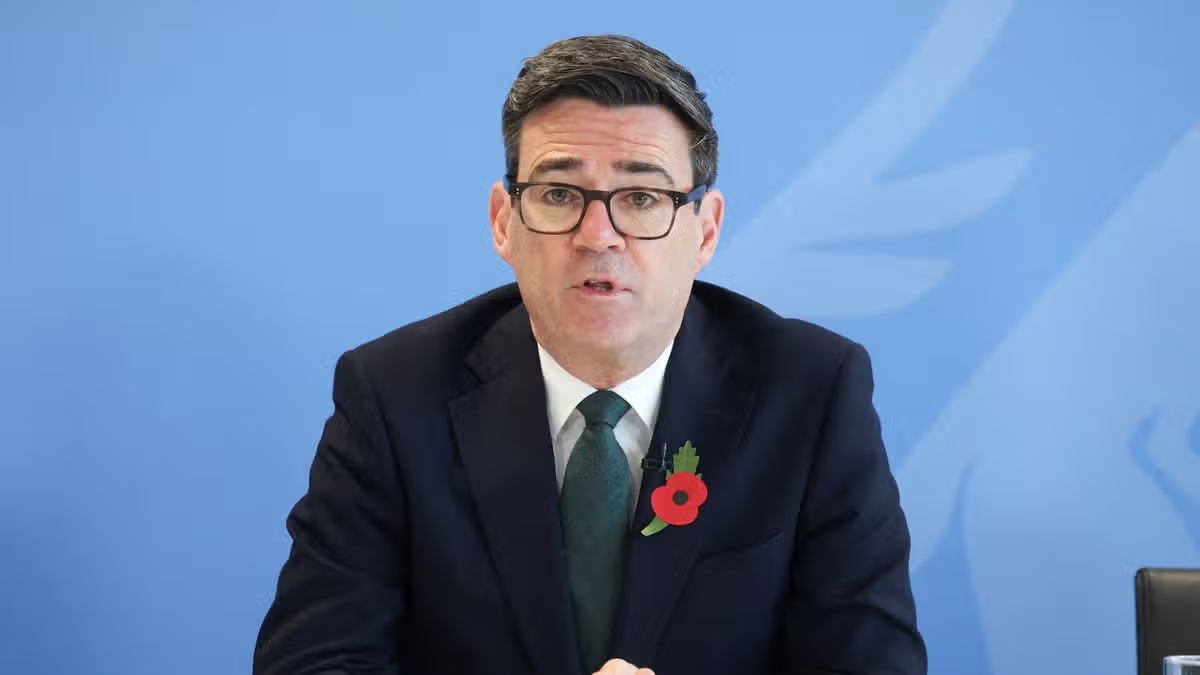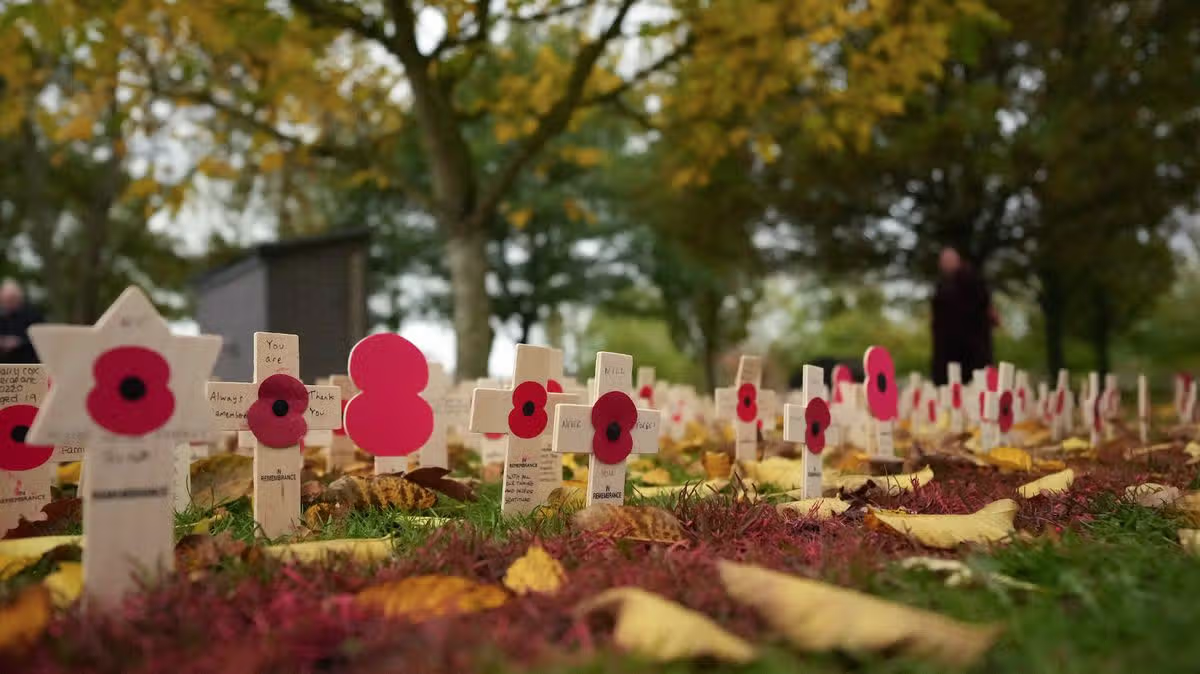
The fury from the self-appointed Poppy Police has started early this year. Instead of slaughtering guests on TV couches who fail to wear one 10 days before Armistice Day because they forgot, Derry-born footballers refusing to have one sewn into their shirt because they didn’t like the actions of the British Army on their streets, or pacifists wearing white ones, poppy guerrillas have lost their cool over a red, white, black and green version which seeks to remember Palestinians killed in the war with Israel.
Former Royal Navy officer Stuart Fawcett called it an attempt to “hijack our national symbol of resistance”. Nigel Farage imposed his uber-patriotic credentials by tweeting: “These people have no respect for our country”, and right-wing rage-spouter Julia Hartley-Brewer seethed on her little-watched YouTube channel: “That ‘poppy’ signifies terrorism. It signifies death. It doesn’t signify life. That is what our poppy stands for: life. And theirs is death.”
Oh dear. How can a small symbol of remembrance for those who died in armed conflicts so raise the blood pressure of certain jingoistic types that they almost join the ranks of the fallen? If only they could park their phoney rancour and do a little research they might discover that far from Britain having an emotional copyright on the poppy as a symbol of remembrance, we were very late to the wake.
The French first chronicled the flower as a metaphor during the Napoleonic Wars, drawing the visual link between the blood-red colour of the petals and the heavy loss of life on the pastures of Western Europe. In 1915 Canadian military surgeon John McCrae wrote the poem “In Flanders Fields” after seeing wild red poppies bloom over the graves of fallen soldiers.
American YMCA worker Moina Michael was so stirred by the poem she pinned a poppy to her lapel and eventually persuaded the American Legion to adopt the flower as their official symbol of remembrance. After the war, Frenchwoman Madame E Guérin promoted the industrial production of paper poppies across Allied nations to help war orphans and disabled veterans, and by 1921 she had sold more than a million. She sent a delegation to London to popularise the symbol and consequently Earl Haig, founder of the British Legion, launched the first UK poppy appeal in November 1921.
So Britain was the third nation to adopt (jingoists may say “hijack”) the symbol and as for Hartley-Brewer’s assertion that “our” poppy stands for “life” and the Palestinian poppy for “death” a couple of points: the red poppy is Palestine’s non-official national flower and in the English folk tradition it has long symbolised sleep and death. So once again, in this latest confected furore, the fake patriots on the right are spouting utter garbage. Or poppycock.
Can’t we just accept that the symbolic meaning of a poppy is what anyone wants it to be? Those who choose not to wear one because they’re against all wars, feel uncomfortable with it or simply don’t like being bullied, or people who wear them as tribute to non-British victims of conflicts deserve as much respect as those of us who wear them. Because it is proof that we live in a country that cherishes the right for individuals to freely express their views. Which is the cause for which all those servicemen we remember on Armistice Day gave their lives for.
Shop the Kloris Discovery Kit

The Kloris Discovery Kit contains Sleep Time Patches, Muscle & Joint Patches, Ultra CBD Patches, Aromatherapy Sleep Mist, High Strength Balm and Comfort Balm.