Inflation and tax rises mean a go-slow decade for UK households as Institute for Fiscal Studies calls Budget help for families ‘relatively small’

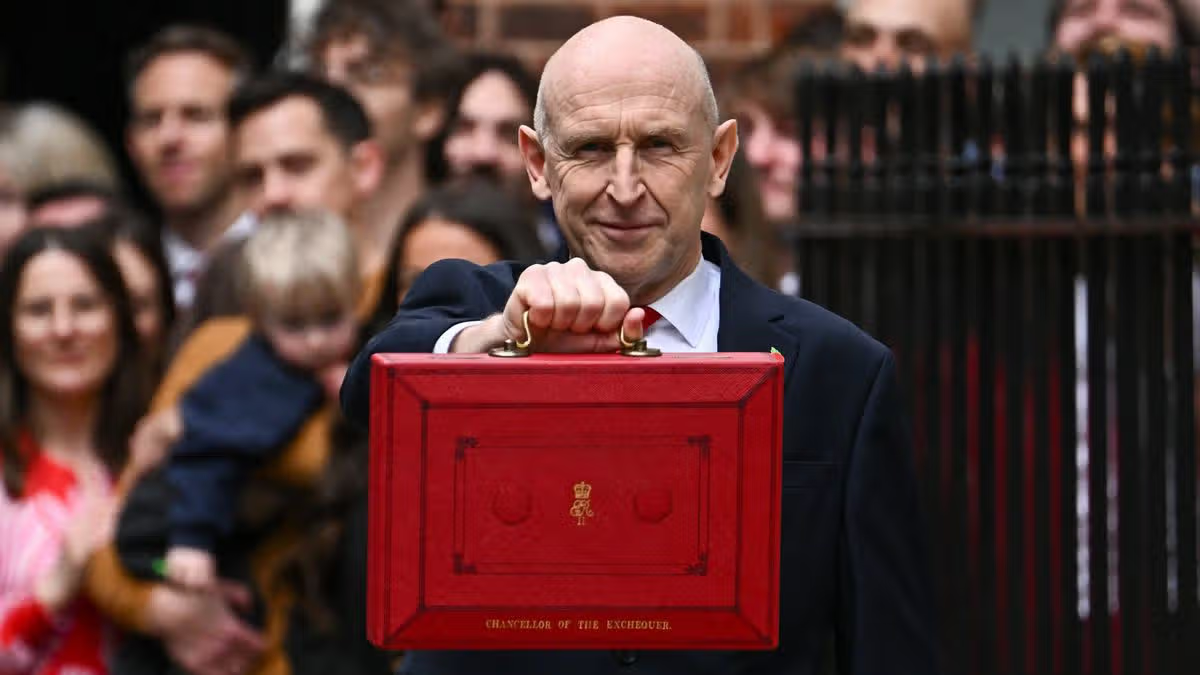
IFS says costs of living help from Chancellor John Healey were “relatively small”(Image: Wiktor Szymanowicz/Shutterstock)
Families are in the grip of the worst decade of income growth since at least the 1950s, economists have warned.
Households’ disposable incomes are set to rise by just 2% during the 2020s, says the Institute for Fiscal Studies. The go-slow has been caused by a combination of factors, including high inflation, weak wage growth and tax increases.
Tom Wernham, senior research economist at the IFS, said this decade’s pitiful growth compared a 12% rise in households’ disposable incomes during the 2010s, although even that was low by historical standards. “This is looking like a really bleak decade for household income growth,” he added.
To see more of the stories you love from The Mirror and to find them easily in Google then make us your preferred source. Free and easy-to-do, just click on the link here to find more from The Mirror at the top of your feed.
It came as the IFS said measures announced in the Budget to help with the cost of living were “relatively small”. The influential body said the three main announcements to help families – £100 off energy bills for the majority of households, extension of a VAT cut on electricity, and a fuel duty freeze – were worth a combined £5billion over the next nine months.
Those measures equated to around £140 for the average household, or around a third of the predicted £400 jump in energy bills in the months ahead. IFS Director Helen Miller said: “The key choice was to give a relatively small payment to around 80% of households, rather than a larger payment targeted on a smaller group.
“Alongside other temporary measures, it will help households over winter. But winter is coming and it still looks tough for many families across the country.”
The government also announced standing charges would be removed from gas bills and moved to the unit rate, or what customers pay what they actually use. Ministers have claimed the move, which isn’t expected until next winter, will save the average households £45 a year. However, the IFS said the poorest 30% of households would only benefit to the tune of £13 a year.
In its post-Autumn Budget analysis, the IFS also warned ministers could be forced to find another £17billion if they wanted to avoid a cut to government departments’ spending plans. The IFS said Chancellor John Healey had left plans for overall departmental spending across the rest of the parliament broadly unchanged in cash terms.
“In the face of higher inflation, this means that the real-terms value of budgets has been cut,” Ms Miller said. “Taken at face value, and alongside the inherited plans to slow down spending growth sharply in coming years, that is a big choice. It effectively implies that some public services will see real-terms cuts in next year’s Spending Review.”
The £17bn estimated top-up comes before the £11bn of commitments to increase defence funding, the IFS added.