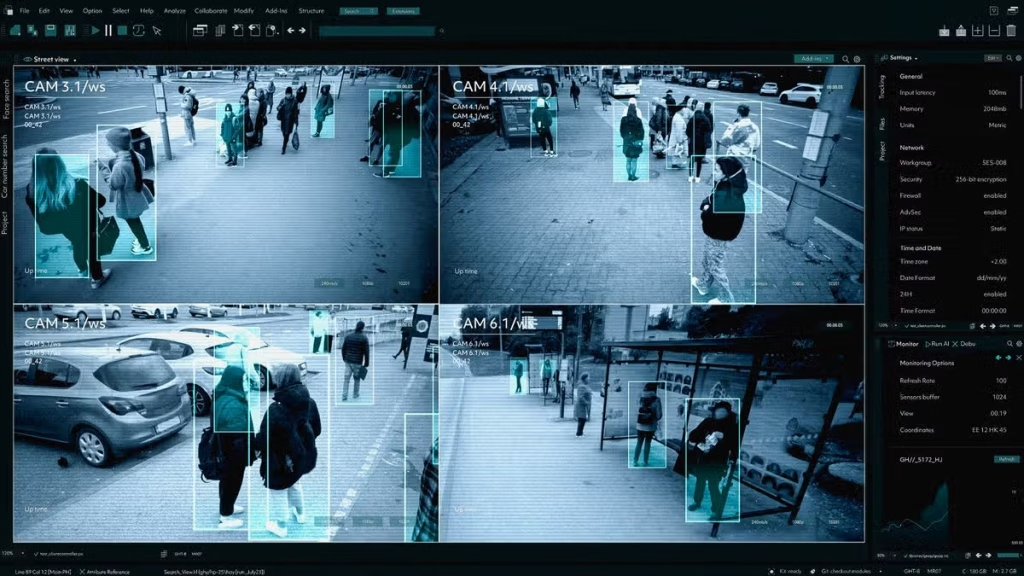
Home Secretary Shabana Mahmood has announced a new watchdog and laws will be brought in to monitor how police and private businesses use facial recognition cameras after an outcry

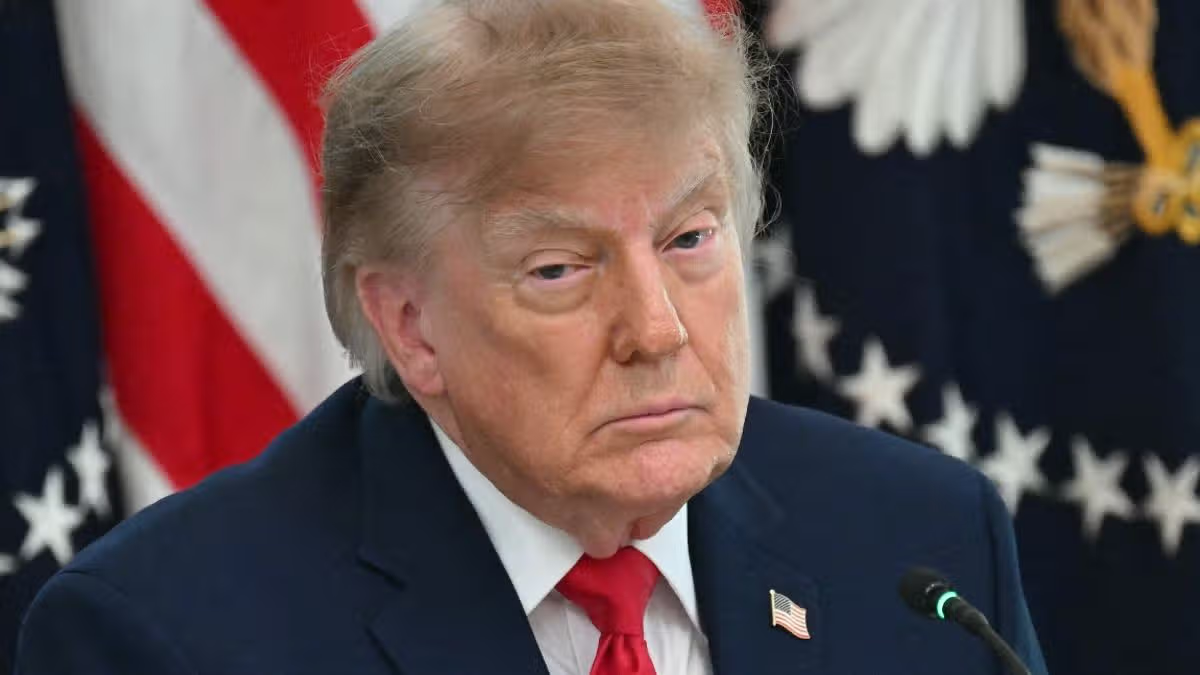
A new watchdog will ensure facial recognition cameras are not misused(Image: Getty Images)
New guardrails to stop police and shops misusing facial recognition technology will be brought in after an outcry by MPs.
Officers will only be allowed to use the controversial cameras if they believe wanted people are nearby, Shabana Mahmood announced. And a new watchdog will be created to monitor the way forces are using the tech after concerns about in-built bias.
And a new legal code will be drawn up governing how businesses like shops use facial recognition. It comes after a consultation showed the public supports the tech – but wants strict rules on how it is used.
Worried MPs have voiced alarm, while the Lib Dems previously called for use of the cameras to be paused until legislation is in place around its use. But police point to successes catching dangerous criminals who would otherwise be at large.
Home Secretary Ms Mahmood said: “Facial recognition technology has been the biggest breakthrough for catching criminals since DNA matching, already helping police take thousands of dangerous criminals off our streets.
“The benefits are clear, but we must ensure that its use is fair, safe and proportionate. It is right we put in place clear laws to ensure the use of this technology is watertight, so the public can have confidence that these tools, which are vital to our safety, are used responsibly too.”
The government will bring in a law to make it clear that the use of facial recognition must be intelligence-led and proportionate.
Latest figures show cameras in Croydon, south London, helped identify 173 suspects, including some wanted for rape, kidnap and sexual assault. And overall crime in the area dropped by 10% during a pilot operation between October 2025 and March this year.
And 86 registered sex offenders were stopped at this year’s Notting Hill Carnival, leading to seven arrests.
High profile successes include the conviction of David Cheneler, who was spotted walking with a six-year-old girl despite a Sexual Offences Prevention Order prohibiting him from being alone with a child under 14. He was jailed for two years.
And Adenola Akindutire was located and arrested last April while wanted for a machete robbery which left the victim with life-changing injuries.
But facial recognition has proved controversial. Earlier this year Essex Police paused the use of cameras after a study found they identified more black people than other groups. The force said a study had identified “potential bias in the positive identification rate”.
Labour MP Bell Ribeiro-Addy told The Mirror at the time: “Bias and inaccuracy is still all too common, which has the potential to undermine community confidence in both the police and the state. Rather than greenlighting mass surveillance programmes, the sensible thing to do would be to suspend its rollout until these errors can be addressed and stronger guardrails put in place.”
The new watchdog will be able to pursue injunctions to stop new technology being used if it is not deemed safe. Al Murray, Director of PoliceAI, said: “Facial recognition technology is one of a number of proven capabilities that can help policing work more effectively to keep the public safe. Used responsibly, technologies like this can help officers identify wanted offenders more quickly, make better use of available information and focus more time on protecting victims and communities.”
Neil Basu, former head of Counter Terrorism Policing, said: “Live facial recognition is a massive step forward for law enforcement – a digital 21st century step change in the tradition of fingerprints and DNA.
“Like all new technologies, live facial recognition had a difficult start and the consultation was absolutely necessary to ensure this new technology was acceptable to the wider public.
“With a real police officer making the final decision a human one, and with the proper legal safeguards and independent oversight in place, I have no doubt LFR will catch many more criminals and make us all much safer.”