The rate of UK unemployment fell to 4.7% in the three months to August, down from 4.9% in the three months to July, the Office for National Statistics said

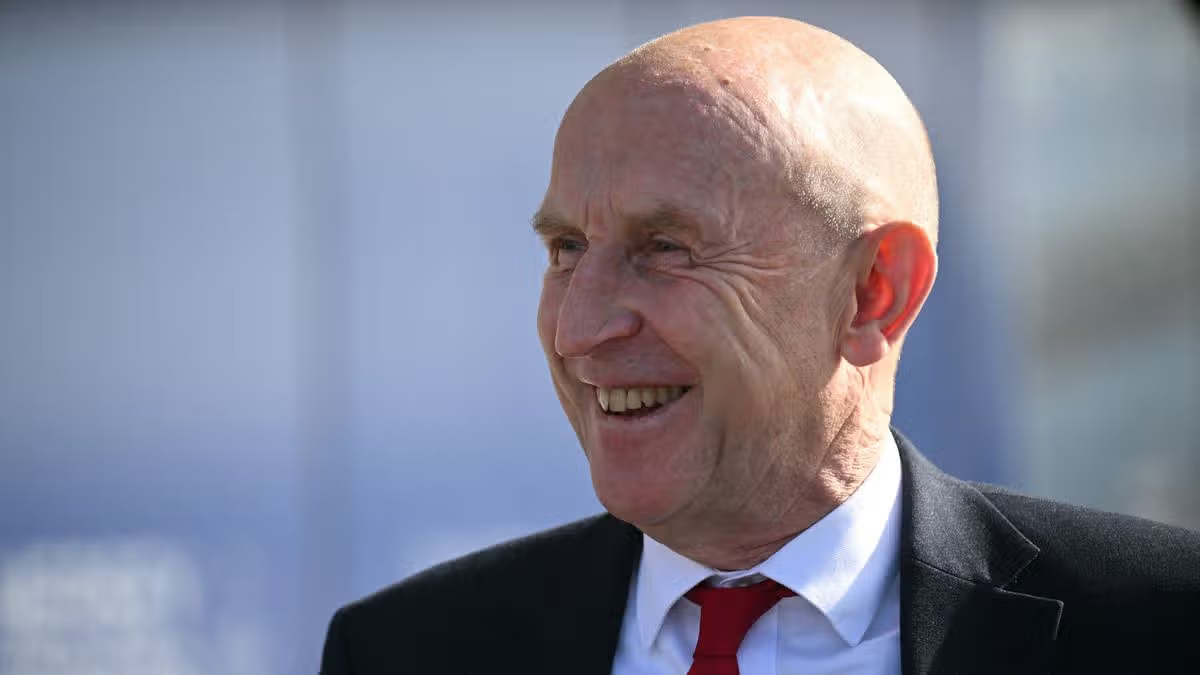
Chancellor John Healey will deliver his Budget next Wednesday(Image: AFP via Getty Images)
UK unemployment fell to its lowest level in more than a year in a boost to Chancellor John Healey ahead of the Budget.
The rate of UK unemployment fell to 4.7% in the three months to August, down from 4.9% in the three months to July, the Office for National Statistics said. This was the lowest level since the three months to July 2025.
The majority of economists had been expecting an increase to 5%. Wage growth also rose by to 3.7% in the three months to August and was 0.8% higher after taking inflation into account.
However, the number of job vacancies fell to their lowest level in more than five years, dropping by 21,000 to 691,000 in the three months to September.
To see more of the stories you love from The Mirror and to find them easily in Google then make us your preferred source. Free and easy-to-do, just click on the link here to find more from The Mirror at the top of your feed.
Businesses have been hit by increases to National Insurance contributions and the minimum wage, while energy costs have also spiked since the start of the Iran war.
The ONS said construction jobs saw the biggest drop in vacancies. The latest figures come ahead of the Budget, which will take place next Wednesday.
ONS deputy director of labour market statistics, David Freeman, said: “While the labour market remains broadly flat in 2026, data from the latest quarter shows the employment rate edging up and a small drop in unemployment.
“The number of workers on payroll remains slightly down over the same period, though data for the most recent month suggests that might be starting to level off.
“The number of vacancies has seen its largest fall since the start of the year, concentrated mainly within smaller businesses, which cite increased labour costs as a key factor.
“Regular wage growth remained relatively stable, though total pay – including bonuses – has eased to its lowest rate in nearly six years.”
Ben Harrison, Director, Work Foundation at Lancaster University, said: “Today’s figures show a fall in unemployment, but the Government should not be complacent ahead of next week’s Budget. The UK is still amidst a jobs drought with vacancies at their lowest for over 12 years outside of the pandemic.
“In particular, there are now 715,000 young people aged 16–24 unemployed, down by 28,000 on the quarter. Nevertheless, the number of young people out of work remains 54,000 higher than 12 months ago.”