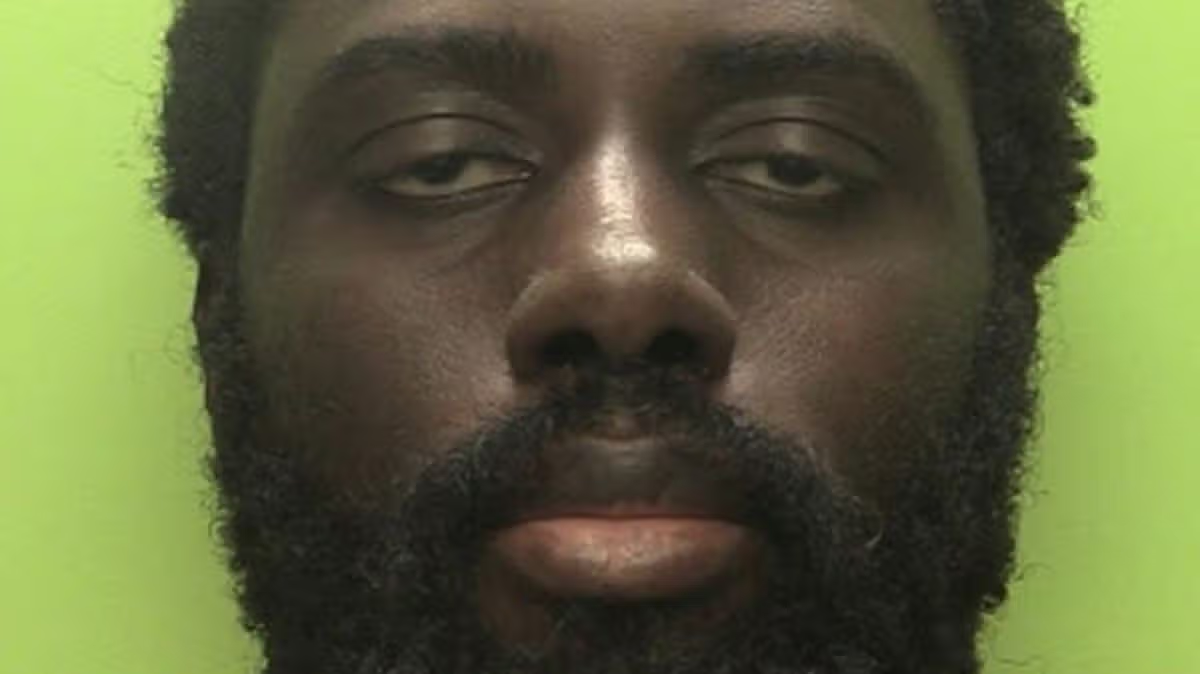
The government will put legislation forward on Tuesday to prevent killers and serious sex offenders being entitled to Universal Credit while they are detained in hospital – a move welcomed by victims’ families

Valdo Calocane was sentenced to an indefinite hospital order for killing three people in Nottingham(Image: PA)
Parents whose children died in a horrific knife attack have said stopping their killer from receiving benefits is a “long overdue” step.
Regulations to be put before Parliament today will prevent killers and serious sex offenders from being entitled to Universal Credit while they are detained in hospital. The move follows outrage that criminals including Nottingham knifeman Valdo Calocane, who fatally stabbed Barnaby Webber, Grace O’Malley-Kumar and Ian Coates in 2023, was permitted to claim benefits.
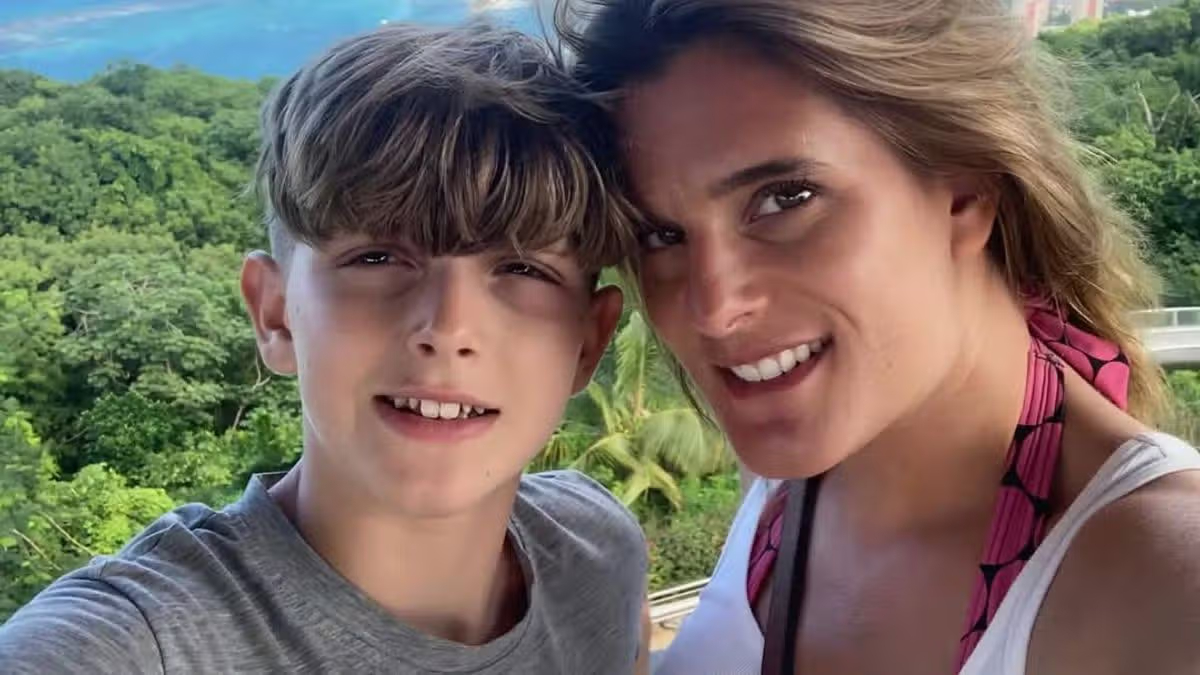
Linda Westcarr, whose daughter Kennedi Westcarr-Sabaroche was strangled by former boyfriend Gogoa Tape – who will also lose his entitlement – said the change is a “moral responsibility”.
Barnaby’s mum Emma Webber said: “This is long overdue, and simply the right thing to do. It was a disgrace that Calocane and offenders like him have ever received taxpayers’ money. A hospital bed does not erase the egregious crimes committed, nor the destruction they have caused. Closing this loophole finally delivers some basic accountability that victims deserve.”
Under current laws, criminals detained for treatment under a Hospital Order can be paid over £800 a month in Universal Credit. The government estimates the change will save tens of millions of pounds a year.
It builds on an existing ban on prisoners transferred to mental health hospitals from claiming. Grace’s dad Dr Sanjoy Kumar said: “On the principle of fairness alone, we do not see why taxpayers should fund benefits while they are incarcerated.”
And Ms Westcarr, whose daughter Kennedi was just 25 when she was killed in 2024, said: “For many victims’ families, the question of whether serious offenders should continue to receive benefits raises understandable concerns about fairness, accountability and the values we uphold as a society. In my view, this is not simply a question of policy; it is also a matter of moral responsibility and ensuring that the impact on victims and their families is properly recognised.”
She added: “Kennedi mattered. Her life mattered. The voices of victims’ families must be heard, and their suffering must never be overlooked when decisions are made about the consequences of serious crime.”
Kennedi’s killer was sentenced under Section 37 of the Mental Health Act – meaning he may never be released. Calocane, who had been diagnosed with paranoid schizophrenia, was given an indefinite hospital order after admitting three counts of manslaughter on the grounds of diminished responsibility. He killed Barnaby, Grace and Ian in random knife attacks before attempting to kill three other stangers using a stolen van.
Work and Pensions Secretary Pat McFadden said: “For too long these violent criminals have had their living costs paid by the taxpayer twice over, while their victims and families paid the price. That ends today because victims and taxpayers deserve a system that is fair and supports only those who genuinely need it.”
Julian Hendy, from campaign group the Hundred Families – which supports loved ones affected by mental health-related homicides – said: “This is a very welcome move and something we’ve been campaigning on for nearly a decade.
“Paying thousands of pounds of state benefits to mentally disordered offenders on hospital orders who have committed the most serious of crimes cannot be justified. It is unjust and morally wrong.
“Dangerous offenders should not be rewarded for their crimes, particularly when they have no costs and when victims’ families have to struggle so hard to get appropriate care and support.”